

Evaluation of MOSQINOk® larvicide in irrigated rice ecosystems
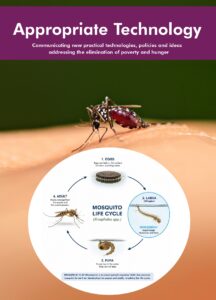 Malaria vector control in sub-Saharan Africa has historically relied on core interventions such as long-lasting insecticidal nets (LLINs) and indoor residual spraying (IRS). While these tools have contributed substantially to reductions in malaria burden, residual transmission persists, particularly in settings where mosquito breeding habitats are abundant and closely linked to agricultural systems. This is especially relevant in irrigated agricultural landscapes, where aquatic habitats are persistent and highly productive.
In The Gambia, irrigated rice cultivation creates extensive breeding habitats that support Anopheles mosquito populations. These environments are difficult to manage using adult-focused interventions alone. As a result, larval source management (LSM) is increasingly being reconsidered as a complementary strategy, particularly where breeding sites are few, fixed and findable.
This article presents operational evidence from a field evaluation of MOSQINOk® 0.8P, a novaluron-based larvicide, in irrigated rice ecosystems in the Central River Region of The Gambia.
To read and download the full article clicked onto the image above
Category: News